Our Services

Offering Tailored Flight Training That Works Around You

Aspire Aviation offers a full range of services for students flying for pleasure, career growth, or continued proficiency at Republic Airport (KFRG) in Long Island, New York. Each program is planned around your goals, availability, and certificate requirements.

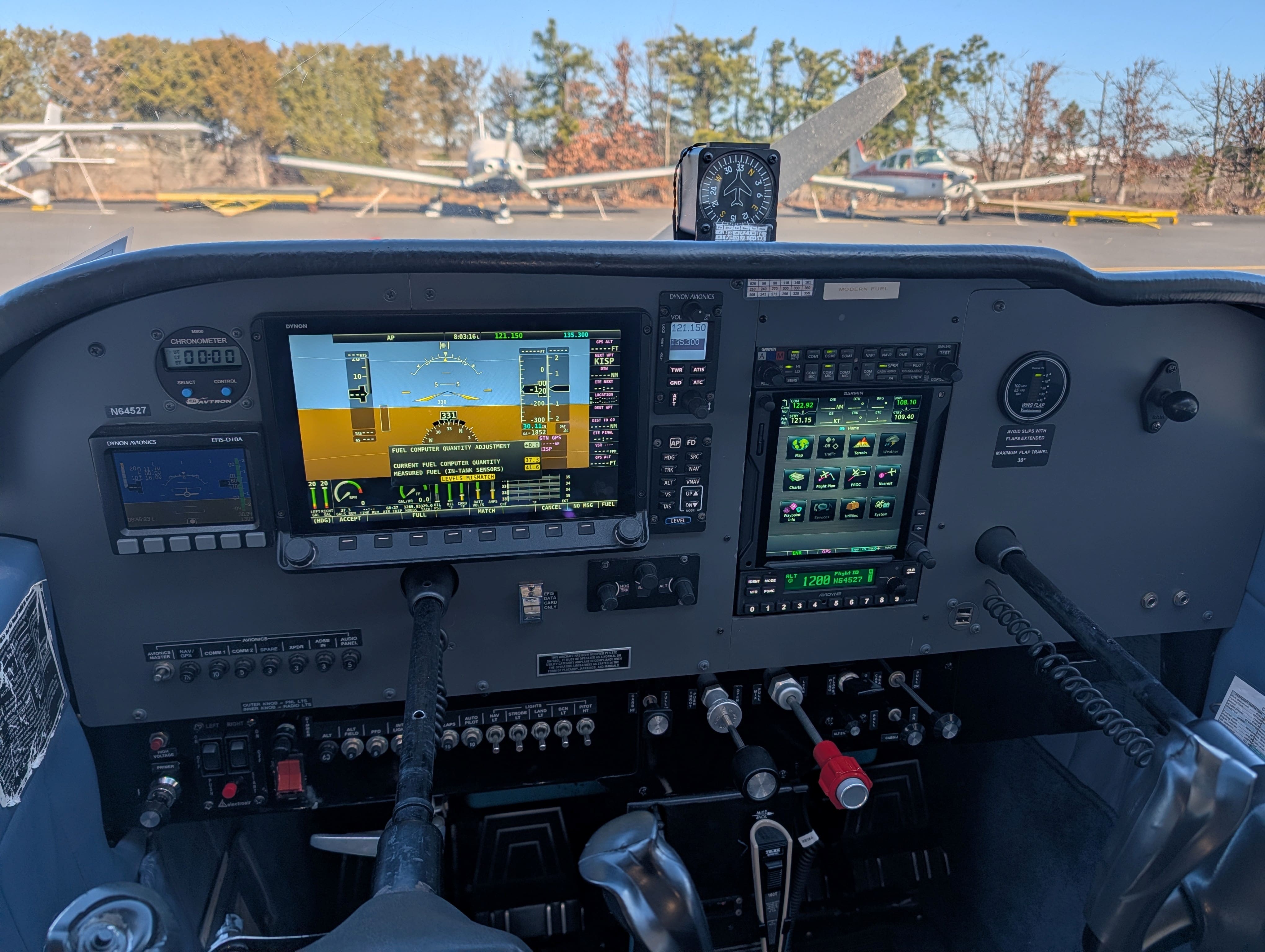
Aspire Aviation Cessna 172 N64527 panel showing Dynon SkyView, Avidyne IFD, and Garmin G3X glass cockpit

Certificate Training

Core Flight Training Services

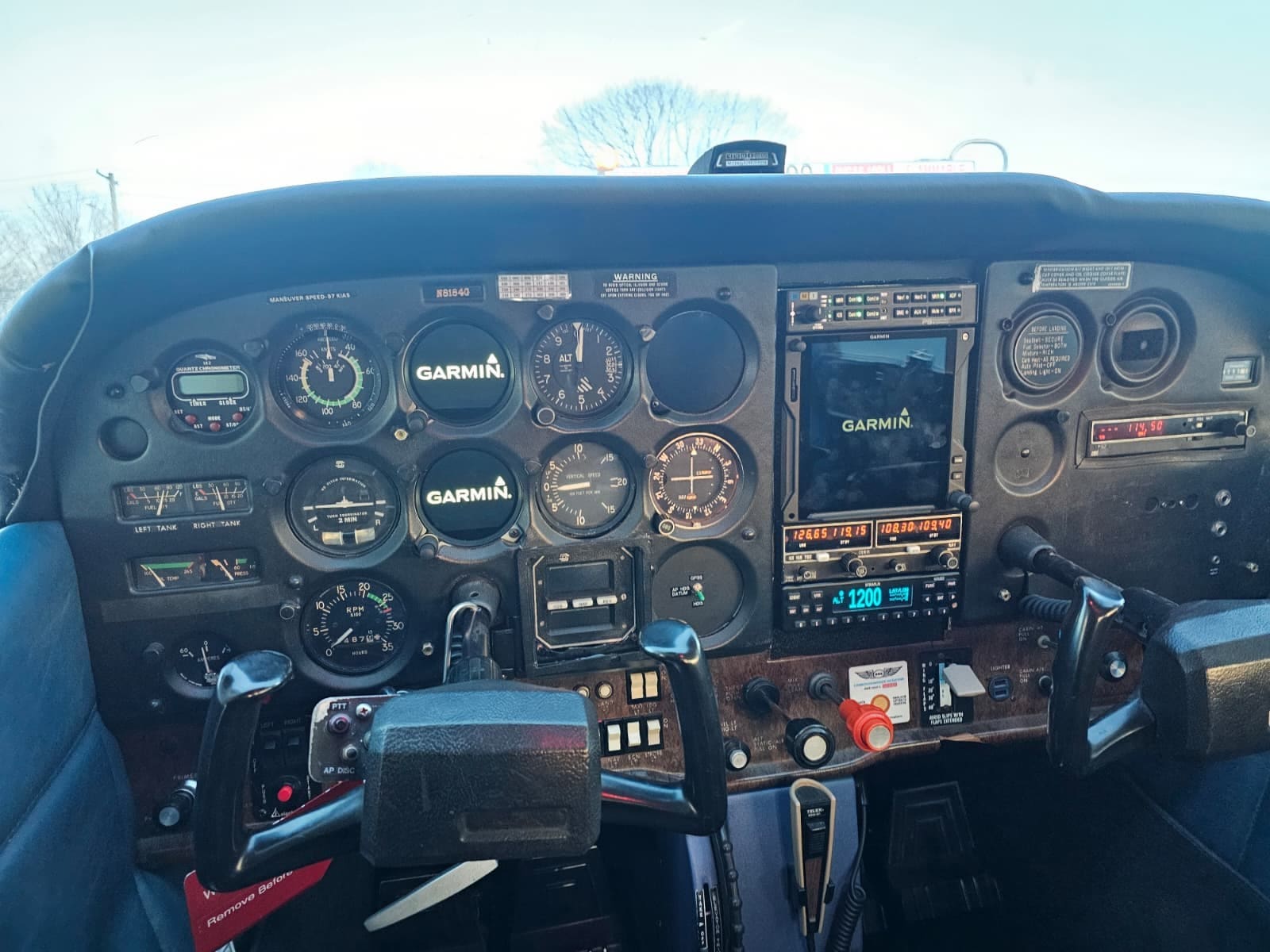
Aspire Aviation Cessna 172 N8184G panel with Garmin GI 275 attitude indicators and GTN 750 navigator

Private Pilot License

Designed to provide the skills and techniques needed to safely plan and conduct navigation flights, whether you fly for pleasure or plan to continue into a career path.

  • Be at least 16 years old to fly solo, 17 to receive the certificate.
  • Demonstrate English language proficiency.
  • Hold a third-class FAA Medical Certificate (or higher) issued by an Aviation Medical Examiner.
  • Be comfortable with the basic math used in flight planning, weight and balance, and fuel calculations.
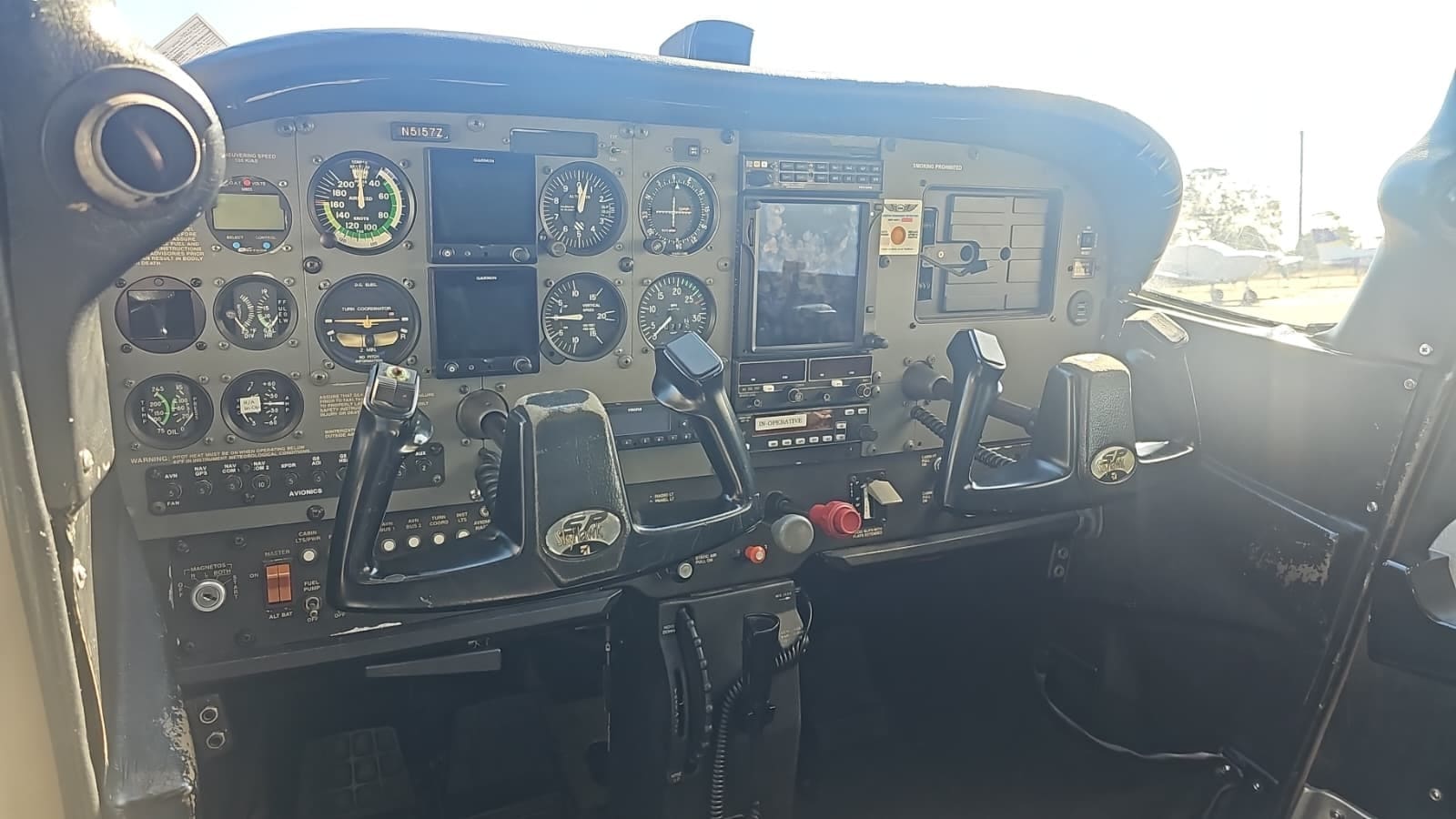
Aspire Aviation Cessna 172 N5157Z interior cockpit view with Garmin G1000 glass panel during instrument training

Instrument Rating

This rating adds the ability to fly solely by reference to instruments, building confidence with the National Airspace System, radar, and air traffic control procedures.
  • Hold or be currently applying for a Private Pilot Certificate.
  • Demonstrate English proficiency.
  • Have 50 hours of cross-country flight time as pilot in command, including 10 hours in an airplane.
  • Have 40 hours of actual or simulated instrument time in areas listed in 61.65(c).
  • Complete 15 hours of instrument flight training.
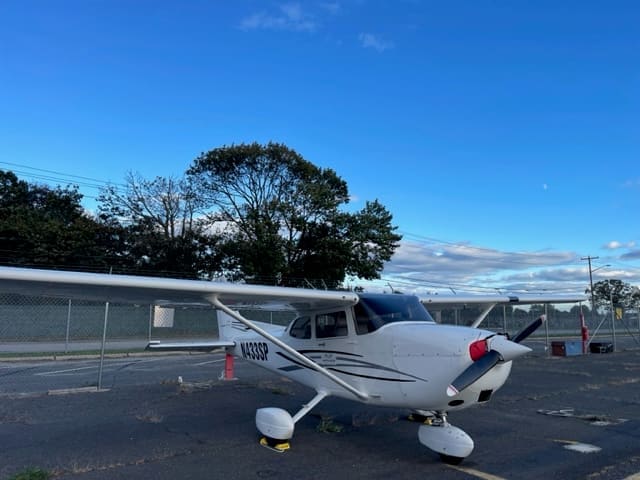
Aspire Aviation student preparing for commercial pilot training

Commercial Pilot License

Advanced training for pilots preparing to work professionally, covering pre-flight preparation, FAA regulations, aircraft control, performance, and complex or Technically Advanced Aircraft operations. Most candidates begin commercial training while building toward the FAA experience requirements rather than after meeting them.

FAA checkride requirements (built up during commercial training):
  • 250 hours total flight time, including 100 hours in powered aircraft and 50 hours in airplanes.
  • 100 hours of pilot-in-command time, including 50 hours in airplanes.
  • 50 hours of cross-country time, including 10 hours in airplanes.
  • 20 hours of training that includes 10 hours of instrument training and 10 hours in a complex or Technically Advanced Aircraft.
  • 10 hours of solo training in the maneuvers required for the practical test.
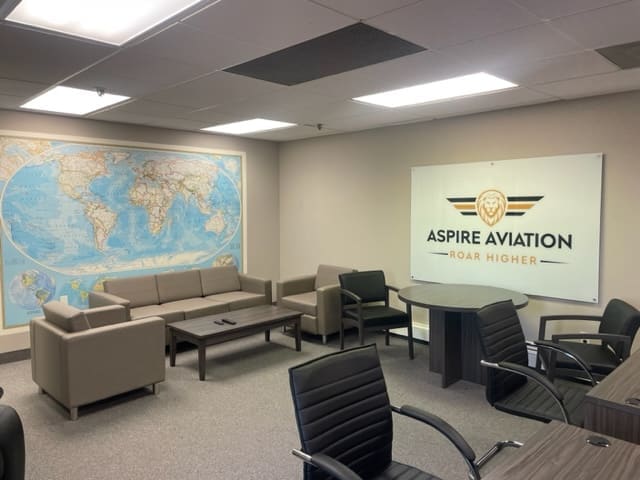
Aspire Aviation training aircraft used for instructor certification

CFI / CFII Course

A Certified Flight Instructor certificate lets commercial pilots teach applicants, conduct flight reviews, sign off solo endorsements, and perform aircraft checkouts that insurance carriers commonly require for renters and new aircraft owners.
  • Demonstrate English proficiency.
  • Be at least 18 years old.
  • Hold a Commercial Airplane License with an instrument rating.
  • Have at least 250 hours of total flight time.
  • Have a current third class FAA Medical Certificate.
  • Pass a knowledge test.
Aspire Aviation briefing room used for ground school instruction

Ground School

The theory component of learning to fly, covering navigation, radio communications, flight planning, weather systems, aeronautical decision making, aerodynamics, systems, and powerplants.

Ground school also supports FAA Part 107 drone knowledge preparation for students pursuing commercial UAS operations.
  • Must be 16 years old, and 17 years old to obtain the pilot certificate.
  • Pass a physical exam from an FAA-designated medical examiner and obtain the proper medical certificate.
  • Demonstrate English proficiency.
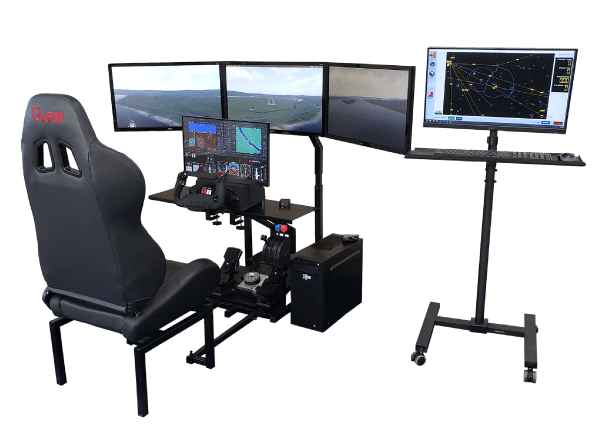
Gleim Basic Aviation Training Device simulator

Certified Simulator

Gleim Basic Aviation Training Device (BATD) is an FAA-approved training simulator used for instructional purposes with an FAA-certified flight instructor. It pairs well with instrument training and IFR procedure work between flights.

14,000 airports 5,000 runways 33,000 instrument approaches 32,000 SIDs (standard instrument departures) 25,000 STARs (standard terminal arrivals)

Pilot time in an ATD may be logged as instruction received, instrument time, or total time. Credit toward a certificate or rating is subject to FAA limits.

Start With The Right Service

The fastest way to avoid mismatched training is to tell Aspire your current certificate level, availability, and end goal.

Send A Training Inquiry