Class D From Day One
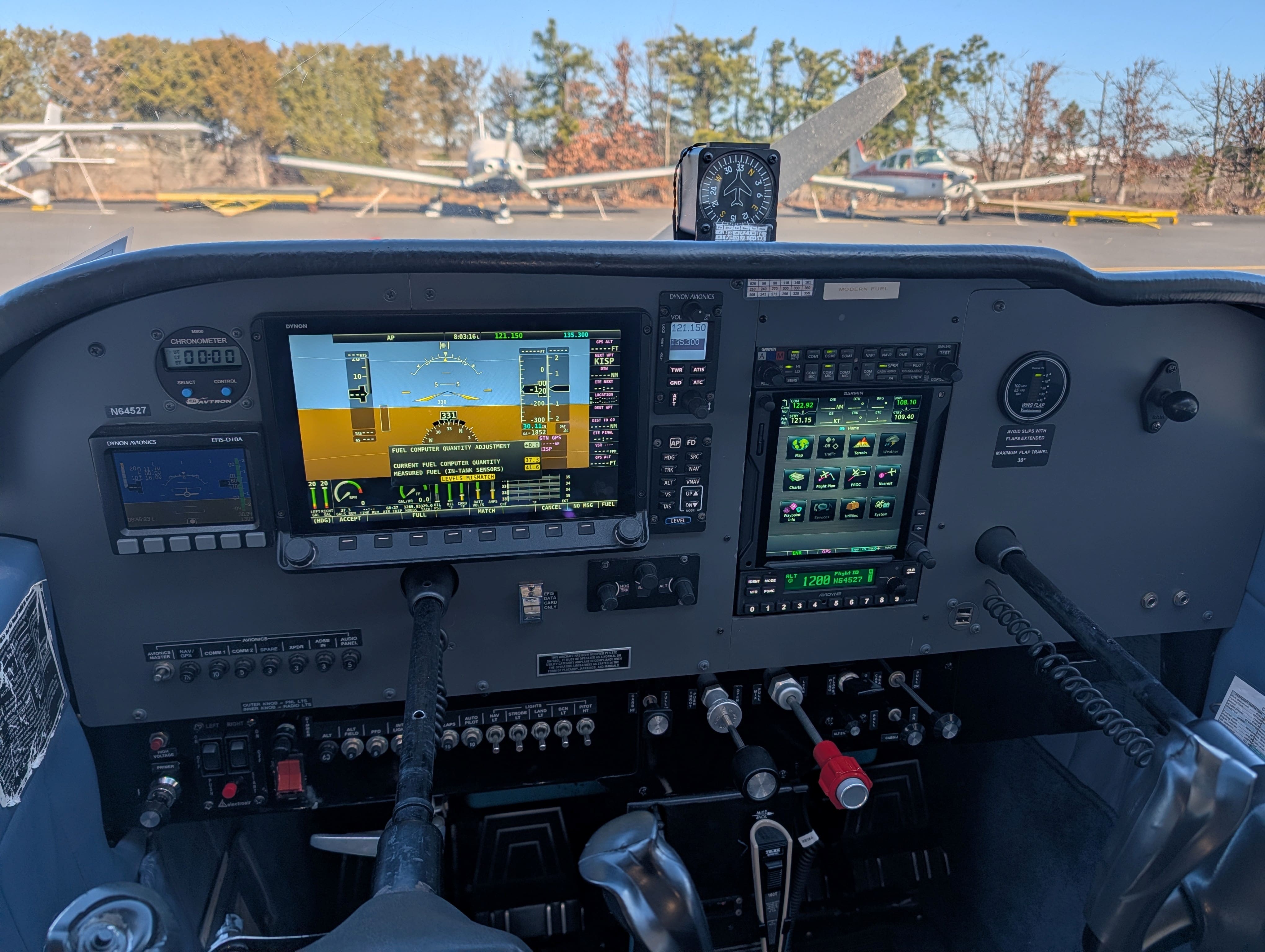
Republic Airport is a Class D controlled airport with an active tower. Every student flight, including your first dual lesson, involves real ATC communication, readbacks, and tower instructions.

Every track includes prerequisites, suggested timeline, and cost expectations so you can plan with confidence and avoid guesswork.
Your Training Environment
Most student pilots encounter controlled airspace for the first time after getting their certificate. Aspire students train in it from lesson one.
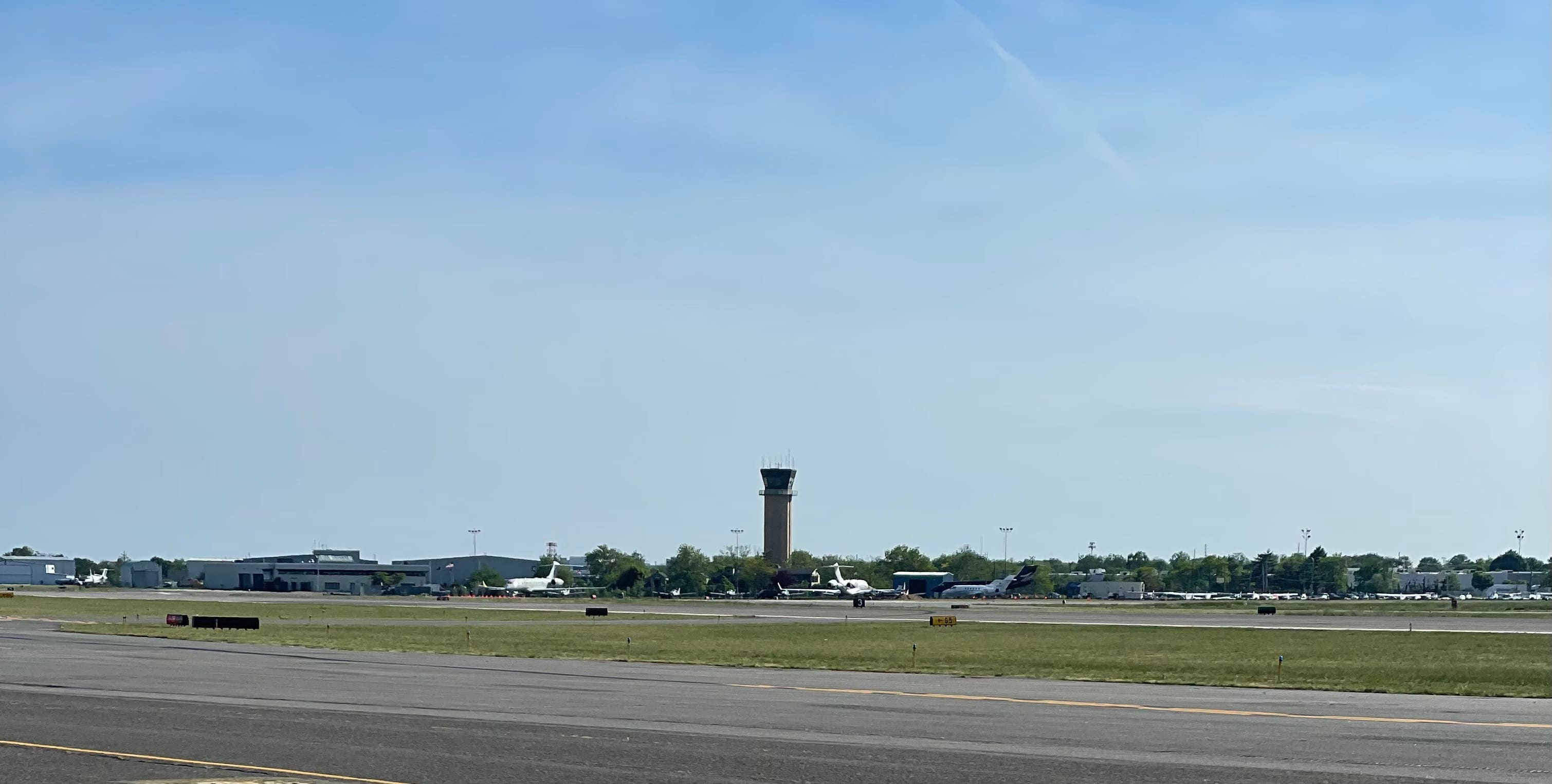
Republic Airport is a Class D controlled airport with an active tower. Every student flight, including your first dual lesson, involves real ATC communication, readbacks, and tower instructions.
KFRG sits at the edge of the New York Class B, so cross-country training here means learning to read and navigate one of the most complex airspace structures in the country.
Sharing the pattern with corporate jets, cargo aircraft, and other training flights forces situational awareness that quieter airports simply do not build.
Republic gets busy. When hold times extend, we use that time for tower communication review, airspace quizzes, weather briefing practice, and strategic repositioning when needed.
Career Sequence
Private Pilot
6-9 months
Instrument Rating
3-5 months
Commercial Pilot
4-7 months
CFI / CFII
2-4 months
Cost Transparency
Flight training costs vary significantly based on pace and consistency. Here is what actually determines your total investment.
Progress from foundational certificates to instructional credentials with stage-by-stage accountability.
Certificate 1
Build core airmanship, navigation, and communication proficiency in controlled and local training areas.
Timeline: 6-9 months on average at 2-3 flights per week.
Prerequisites: Student pilot certificate, FAA medical, age 16+ to solo.
Estimated Cost Range: $18,000-$20,000 including 15-20 hours of ground school instruction.
Certificate 2
Develop weather decision-making, IFR procedures, and safer all-season capability for practical flying.
Timeline: 3-5 months depending on scheduling consistency.
Prerequisites: Private pilot certificate and current medical.
Estimated Cost Range: $10,000-$16,000 based on aircraft and hours.
Required Before Starting: The FAA-required 50 hours of cross-country pilot-in-command time is separate and must be completed before starting instrument training.
Certificate 3
Meet commercial standards with advanced maneuvers, cross-country requirements, and checkride readiness.
Timeline: 4-7 months depending on your overall training cadence and remaining flight time requirements.
Prerequisites: Instrument rating and required FAA flight experience.
Estimated Cost Range: $18,000-$32,000 depending on total hours needed.
Certificate 4
Transition into teaching with lesson planning, fundamentals of instruction, and practical instructional flights.
Timeline: 2-4 months for CFI and 1-2 months for CFII add-on.
Prerequisites: Commercial pilot certificate and instructor ground prep.
Estimated Cost Range: $8,000-$15,000 per instructor certificate phase.
Most recreational pilots begin with private pilot training and continue with occasional proficiency flying.
If you plan to travel farther and more often, instrument training adds capability and confidence.
Additional certifications available alongside your primary training track.
Knowledge Prep
FAA written knowledge test preparation for all certificate levels. Offered on a rolling schedule with flexible attendance.
Drone Certification
FAA commercial UAS operator certification. Complete the knowledge test prep and fly commercially as a drone operator.