
If you are trying to budget for flight training on Long Island, the first thing worth knowing is that there is no single price tag. Training is billed by the hour for the things you use — the aircraft, the instructor, the materials — and your total comes down to how many hours you need and how consistently you fly. Two students starting on the same day can finish hundreds of dollars apart, purely because of pacing. So instead of one number, let us walk through what you are actually paying for, what a private certificate trends toward here, and the levers that move the cost in either direction.
What you are actually paying for
Flight training cost is the sum of a handful of separate line items, and it helps to see them broken out rather than rolled into one figure:
- Aircraft time. You pay for the time the airplane is running, billed by the hour. This is usually the largest single piece of the budget, and it is why total flight hours matter so much.
- Instructor time. Your certified flight instructor is billed separately for the time spent flying with you and briefing before and after each lesson.
- Ground school. The classroom and one-on-one knowledge work behind the flying — regulations, weather, navigation, systems — that prepares you for the written exam and the oral portion of your checkride.
- FAA exams and examiner fees. The knowledge (written) test has a testing fee, and the practical test, or checkride, is conducted by a designated examiner who charges their own fee.
- Materials. Books, an online ground-school course, a headset, a kneeboard, and the charts and apps you use day to day. A one-time cost early on, not an ongoing one.
When a school quotes you a single total, it is bundling all of these together. Knowing the pieces lets you see where the money actually goes — and why flying more often, with fewer gaps, lowers the total.
What a private pilot certificate costs here
The private pilot certificate is where almost everyone starts, and it is the stage people most want a number for. At Aspire, a private certificate currently trends toward $18,000 to $20,000, including 15 to 20 hours of ground school. That range reflects the reality of the FAA minimums: the private certificate requires at least 40 flight hours, but most students finish closer to 60 to 70 once you account for the natural pace of learning a new skill. The students who land near the lower end of the range tend to be the ones flying consistently; the ones who drift toward the top are usually the ones with long gaps between lessons. The number is not arbitrary — it tracks your hours, and your hours track your schedule.
Cost ranges for the later certificates
Most people who keep going add an instrument rating, then a commercial certificate, and often a flight instructor rating after that. Each one has its own cost range, its own prerequisites, and its own timeline, and they do not all cost the same — the instrument rating, commercial certificate, and CFI each carry a different hour requirement and therefore a different price band. Rather than quote a single rolled-up figure that would not match your actual path, we lay out the full per-certificate ranges, what each one requires before you can start it, and roughly how long it takes on the career programs page. That way you can budget the whole ladder stage by stage instead of guessing at one big lump.
What drives the cost up — and down
This is the part most cost guides skip, and it is the part you have the most control over. The single biggest factor in your total is not talent or aptitude — it is consistency. A few things push the number up:
- Long gaps between lessons. Skills decay when you do not fly for weeks. Come back rusty and you spend the first part of each lesson re-covering ground you already paid to learn.
- Flying only once a week. One lesson a week is enough to make progress, but it stretches the timeline and quietly adds hours, because every session starts with catching back up.
- Checkride busts. A failed practical test means retraining, a re-test fee, and another examiner appointment. Showing up genuinely ready is cheaper than rushing.
And a few things bring it down:
- Flying two to three times a week. Frequent lessons keep skills sharp, so less time is spent re-learning and more is spent moving forward. This is the closest thing there is to a discount.
- Consistent scheduling. A steady rhythm you can protect beats an ambitious plan you cannot keep. Predictable lessons finish faster.
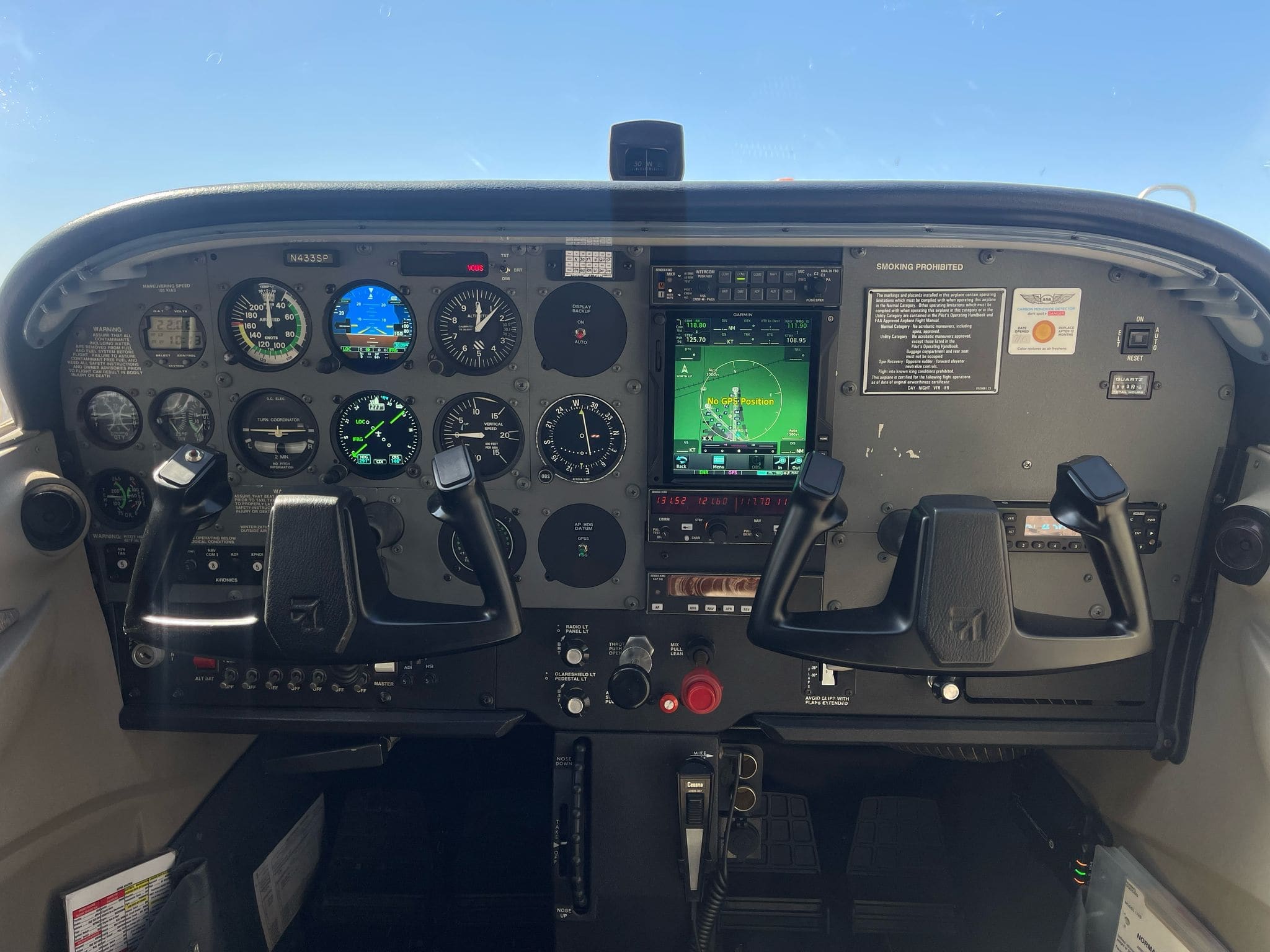
- A fleet that keeps you flying. We run a six-aircraft Cessna 172 fleet, so a maintenance day or a busy weekend does not stall your training for a week. Aircraft availability is part of the cost equation, because a grounded schedule is a slower, pricier one.
Planning the spend
The most useful thing you can do before you start is to be honest with yourself about pace. Look at your week and ask how many lessons you can genuinely protect — not in a perfect month, but in a normal one. That number, more than anything else, sets your timeline and your total. From there, the cleaner approach is to budget per stage rather than trying to write one cheque for the whole journey. Fund the private certificate first, fly it consistently, and use the per-certificate ranges on the programs page to plan the instrument and commercial phases as you reach them. Aspire trains under Part 61 today, with a Part 141 curriculum in progress, and either way the cost logic is the same: hours times consistency. The honest read is that you are not buying a certificate — you are buying a number of hours, and the best way to spend less is to fly more often once you commit.
Want to start before you commit to a budget? Book a discovery flight over Long Island → or read more about our Long Island flight school →